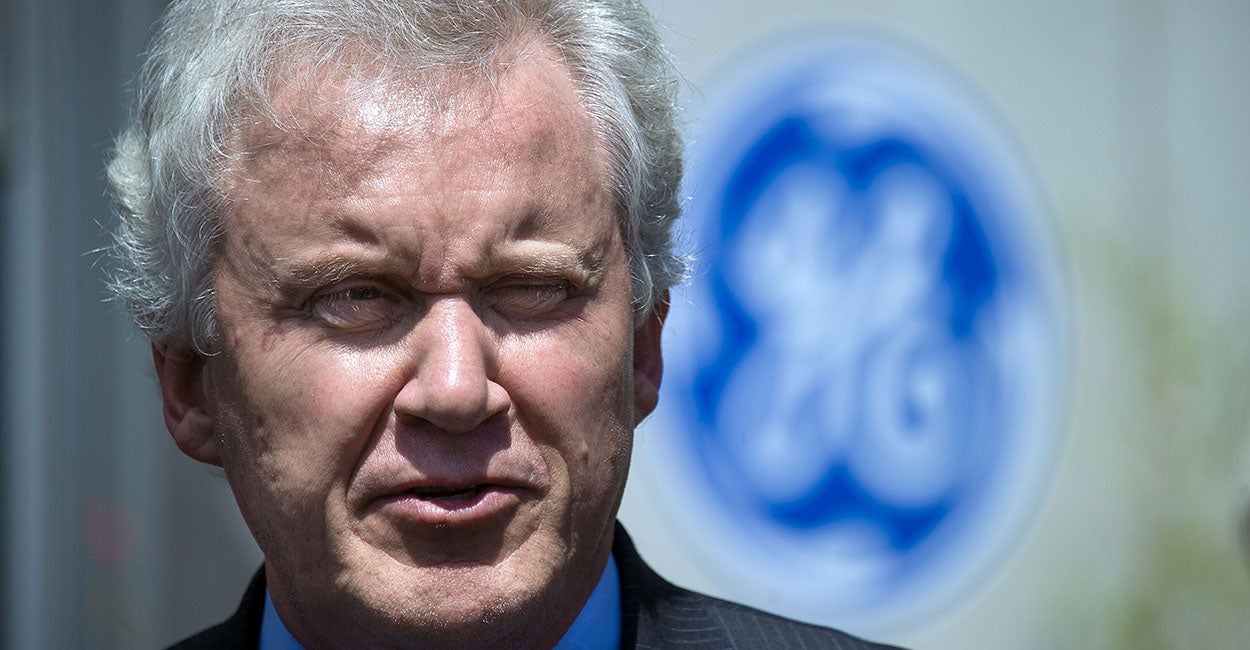
The campaign for cronyism grabbed headlines on Monday, when the chairman of General Electric claimed that taxpayer subsidies are “crucial” to American trade with Africa. What went unreported, however, is just how much GE profits from the subsidies doled out by the Export-Import Bank, and how little Ex-Im actually contributes to U.S.-Africa trade.
The remarks by GE Chairman and CEO Jeff Immelt coincide with a three-day summit in Washington, D.C., featuring nearly 50 heads of state from Africa. Congress also is debating whether to reauthorize Ex-Im, which funnels subsidies to foreign firms for the purchase of American exports. The government bank’s charter expires Sept. 30.
According to Immelt, failure to reauthorize Ex-Im would hurt U.S. companies trying to do business in Africa. Without Ex-Im, he said, “we are basically making a statement as a country that we do not think that exports are important.”
There’s certainly no question GE benefits from Ex-Im financing. According to calculations by economist Veronique de Rugy, the company is one of the 10 corporations to which 75 percent of the subsidy benefits accrued in FY 2013, including:
- A loan guarantee exceeding $1 billion to Ethiopian Airlines to purchase a fleet of Boeing 787 Dreamliners and GE engines.
- Financing of $94 million to Indonesia to purchase locomotive kits from General Electric Transportation.
- A loan of $79.4 million to a company in Spain for gas turbines and generators from GE.
- A loan of $239.5 million to the United Arab Emirates for a GE steam-turbine generator set.
- A $16 million loan to Vietnam for GE electricity-transmission equipment.
It is perfectly understandable, of course, that General Electric and other beneficiaries of the bank use the subsidies—even though all could easily access private financing. It is the responsibility of corporate officers to maximize shareholder value. But it is also important to have some context for executives’ comments about the bank.
Beyond GE’s interests, Immelt is just plain wrong about the role of Ex-Im in Africa. The bank finances a piddling 2.5 percent of all U.S. exports to the continent. And bank financing for such exports actually fell 60 percent, to $600 million, between FY 2012 and 2013. Indeed, as a proportion of overall bank “exposure,” Ex-Im deals involving Africa have fallen for the past five years.
TRENDING ARTICLES



Immelt is certainly free to express his opinions about Ex-Im. But Congress and the public should be aware of the facts. Ex-Im subsidies constitute a form of corporate welfare that is neither necessary nor appropriate.

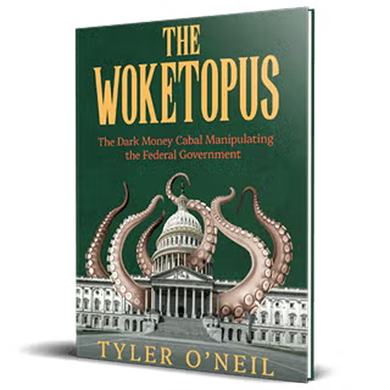
Read the first chapter of The Woketopus right now for FREE
Today, even with President Trump’s victory, leftist elites have their tentacles in every aspect of our government.
The Daily Signal’s own Tyler O’Neil exposes this leftist cabal in his new book, The Woketopus: The Dark Money Cabal Manipulating the Federal Government.
In this book, O’Neil reveals how the Left’s NGO apparatus pursues its woke agenda, maneuvering like an octopus by circumventing Congress and entrenching its interests in the federal government.
You can read the first chapter of this new book for FREE in this eBook, The Woketopus: Chapter One using the secure link below.
TRENDING ARTICLES


The Daily Signal depends on the support of readers like you.
RELATED ARTICLES




Don’t miss the

Don’t miss the signal